Have you ever paused to consider the profound power stitched into a simple flag? The Pan African flag is more than cloth and color. It embodies a centuries-long journey toward dignity, pride, and unity for people of African descent around the world. This flag, vibrant and resolute, waves not just in the breeze but in the hearts of millions. Let’s explore its captivating story and timeless message.
The Birth of a Symbol: What is the Pan African Flag?
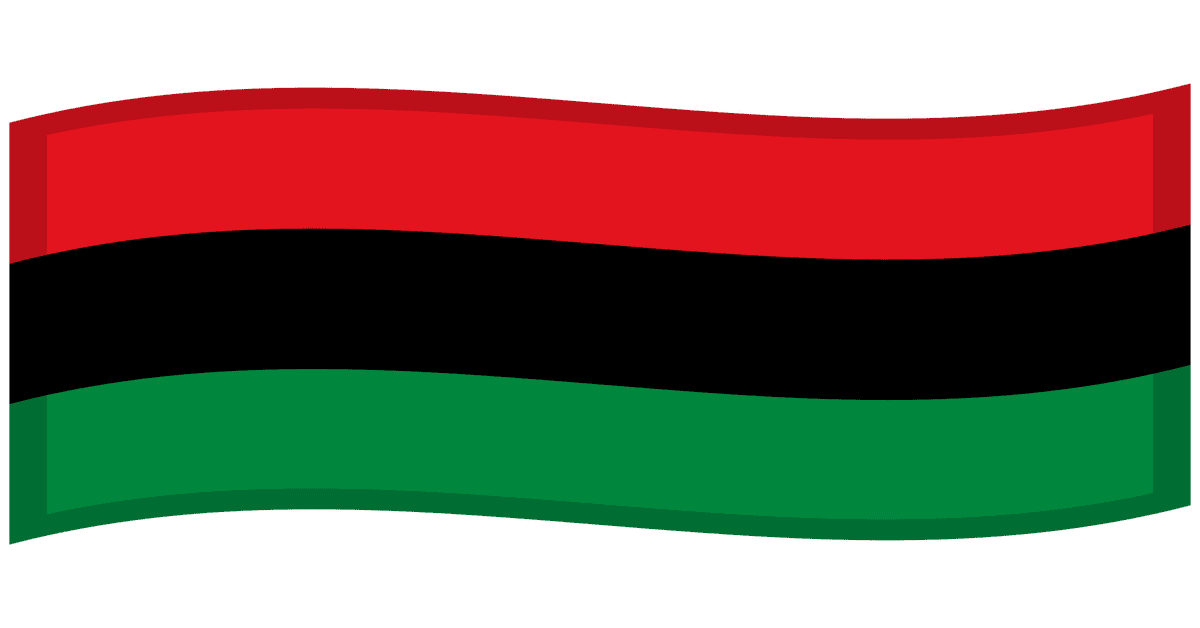
The Pan African flag, also known by many names like the Black Liberation flag or the UNIA flag, stands as a powerful emblem for Pan-Africanism and Black nationalism. It features three bold horizontal stripes: red at the top, black in the center, and green at the bottom. Each color holds deep significance, weaving a narrative of struggle, identity, and hope.
This flag was born in 1920, a pivotal moment fueled by the courage of Marcus Garvey and the Universal Negro Improvement Association (UNIA). It was a direct response to the rampant racism African Americans faced and a beacon calling for unity among all people of African descent. August 17, Garvey’s birthday, is now celebrated annually as Universal African Flag Day, underscoring its ongoing relevance.
Colors That Speak: What Do Red, Black, and Green Represent?
Every stripe tells a story:
- Red symbolizes the blood that unites all people of African ancestry and the sacrifices made in the fight for liberation.
- Black represents the race itself, the strength and resilience of African people worldwide.
- Green reflects the abundant natural wealth of Africa and the hope for a prosperous future.
These colors were inspired by earlier Pan-African palettes but intentionally replaced yellow with black to heighten racial pride and solidarity. They encapsulate a vision rooted not just in geography but in shared experience and destiny.
Why Does This Flag Matter Today?
More than a century later, the Pan African flag continues to serve as a rallying point for cultural pride and political empowerment. It appears in communities throughout the Americas, Africa, and beyond, connecting diasporic identities and movements inspired by Garveyism. Its simplicity makes it accessible, yet its meaning invites deep reflection on history and identity.
This flag prompts us to ask ourselves: How do symbols shape our collective memory and identity? What does unity look like in a world still wrestling with division? By embracing its history, we tap into a wellspring of resilience that encourages us to stand tall in the face of adversity.
Your Turn: How Can You Engage With This Legacy?
To honor the Pan African flag is to engage with its spirit actively. Consider these steps:
- Learn more about Marcus Garvey and the UNIA’s ongoing influence.
- Reflect on the flag’s colors and what they represent in your own life.
- Share the flag’s story with others to deepen understanding and awareness.
- Incorporate the flag or its colors into personal rituals or gatherings to symbolize unity and strength.
Symbols are living things when we breathe meaning into them; otherwise, they risk fading into forgotten history.
Q&A About the Pan African Flag
Q: Who created the Pan African flag?
A: The flag was created in 1920 by the Universal Negro Improvement Association with Marcus Garvey playing a key role.
Q: What are the colors of the Pan African flag?
A: The flag features three horizontal bands of red, black, and green.
Q: Why is August 17 significant?
A: It marks Marcus Garvey’s birthday and is celebrated as Universal African Flag Day.
Q: How is the flag used today?
A: It represents Pan-Africanism, Black pride, and solidarity in various countries, especially within the African diaspora.
Symbols carry stories; they hold the power to awaken us, to remind us where we come from, and to inspire where we might go. The Pan African flag is no mere symbol. It is a living testament to a people’s endurance, unity, and unyielding hope. As you encounter its colors, may you feel invited to join the ongoing journey toward collective liberation and self-love.
What does this flag awaken in you? How might its story change the way you see the world or yourself? Reflect, share, and carry its legacy forward. The journey is ours all to take.
🎥 Featured Spiritual Growth Video
🏆 Top 3 Most Watched Videos

Ra is a practitioner of Kemetisim, Neterism, and the rituals and beliefs of Ancient Kemetic-Egypt. Ra has helped thousands of people from all walks of life. Specializing in the Tarot and teachings of the Middle Pillar and Tree of Life.
